Living soil
What is the field telling us?
Soil observations and appropriate tests help make sense of structure, moisture and current practice. The starting point is a question farmers need to answer.
Field observation · Soil cover · Local learningSection 8 nonprofit · Haryana, India
Stronger farms.
Confident communities.
A future we grow together.
We’re building farmer-led climate resilience through healthy soil, wiser water decisions, women’s leadership and learning that starts in the field.
Your knowledge, skills or partnership can be a starting point.
People. Practice. Progress. Explore our farmer training and climate-smart agriculture activities in Haryana.
Meet the work01 / A shared purpose
It is about water, work, family and the knowledge a community carries. RADHAA Earth Foundation connects these everyday realities with practical climate action.
What is the field telling us?
Soil observations and appropriate tests help make sense of structure, moisture and current practice. The starting point is a question farmers need to answer.
Field observation · Soil cover · Local learningHow can each decision count?
Water stewardship connects irrigation choices with crop needs, access and local conditions. Useful solutions begin with the people managing these resources.
Irrigation awareness · Resource stewardshipWho helps shape the decisions?
Women bring agricultural knowledge, experience and enterprise ideas. RADHAA’s programmes are designed to make space for their leadership from the beginning.
Local leadership · SHGs · Producer pathwaysWhat makes change practical?
Time, skills, resources and household priorities influence whether a practice is useful. Resilience must connect to the realities of rural work and opportunity.
Skills · Rural enterprise · Practical adoptionLocal knowledge is the starting point.
Lasting community capability is the ambition.
02 / From the first question to shared learning
A programme begins with listening. Each step connects community experience with action that can be understood, reviewed and improved.
Understand the place, the people and the starting point.
A shared field question, useful observations and a clear baseline.
Build on the knowledge already in the community.
Local roles, inclusive participation and a learning group.
Explore a practice under real field conditions.
A demonstration people can visit, question and compare.
Help people decide what fits their own circumstances.
Follow-up conversations, peer exchange and recorded barriers.
Keep a clear record of activity, learning and change.
Defined indicators, consent and an honest account of limitations.
Prepare useful learning for other places and partners.
A reviewed approach that can be adapted to another local context.
The pace and activities are agreed for each programme, geography and community.
03 / Five programmes. One connected purpose.
These are RADHAA’s programme pathways. The examples below show what a collaboration could involve; current delivery depends on agreed scope and capacity.
RADHAA Climate Saathi
A pathway for lead farmers and local champions to connect climate knowledge, field practice and farmer-to-farmer learning.
A local facilitator brings a farmer question into a field walk or peer discussion.
Who it can involve: Lead farmers, women leaders and local champions.
RADHAA Soil & Water Mission
Field observation, practical learning and locally relevant demonstrations to support soil health and more informed water decisions.
A group identifies a soil or irrigation question and agrees what to observe.
Who it can involve: Farmers, local institutions and technical partners.
RADHAA Women Grow
Women-centred pathways for climate leadership, skills, producer networks and rural enterprise learning.
Women farmers or an SHG help define the learning agenda and local roles.
Who it can involve: Women farmers, SHGs and producer groups.
RADHAA Climate Farms
Demonstration farms where practices can be observed, compared and discussed in the context of a real crop and season.
A field comparison records what was tried, what was observed and what is uncertain.
Who it can involve: Farmers, field teams and learning partners.
RADHAA Impact Lab
Baselines, field records and thoughtful reporting that help communities and partners understand what the evidence supports.
A team defines an indicator, records its source and reviews its limitations.
Who it can involve: Researchers, programme teams and funders.
04 / There is a place for you
You might know a village, understand a crop, bring a useful skill or represent a potential partner. Start with who you are.
A first conversation is simply a chance to explore a fit.
Bring your local knowledge
Explore field learning, demonstrations and community climate action through the founding Farmer & Climate Network.
Opens an email draft for you to review and send. Participation is subject to fit and current capacity.
Shape the programme
Explore Women Grow and help identify priorities for leadership, skills, producer pathways and rural opportunity.
Opens an email draft for you to review and send. Participation is subject to fit and current capacity.
Put your skills to use
Offer experience in agriculture, training, community coordination, communications, design or responsible data work. Field and remote contributions depend on current needs.
Opens an email draft for you to review and send. Participation is subject to fit and current capacity.
Build a programme together
Start a conversation around a defined geography, community need and programme pathway. Scope, resources and reporting are agreed before delivery.
Opens an email draft for you to review and send. Participation is subject to fit and current capacity.
Ask a useful field question
Explore a learning collaboration that connects methods and evidence with practical community needs. A research enquiry begins with relevance, ethics and capacity.
Opens an email draft for you to review and send. Participation is subject to fit and current capacity.
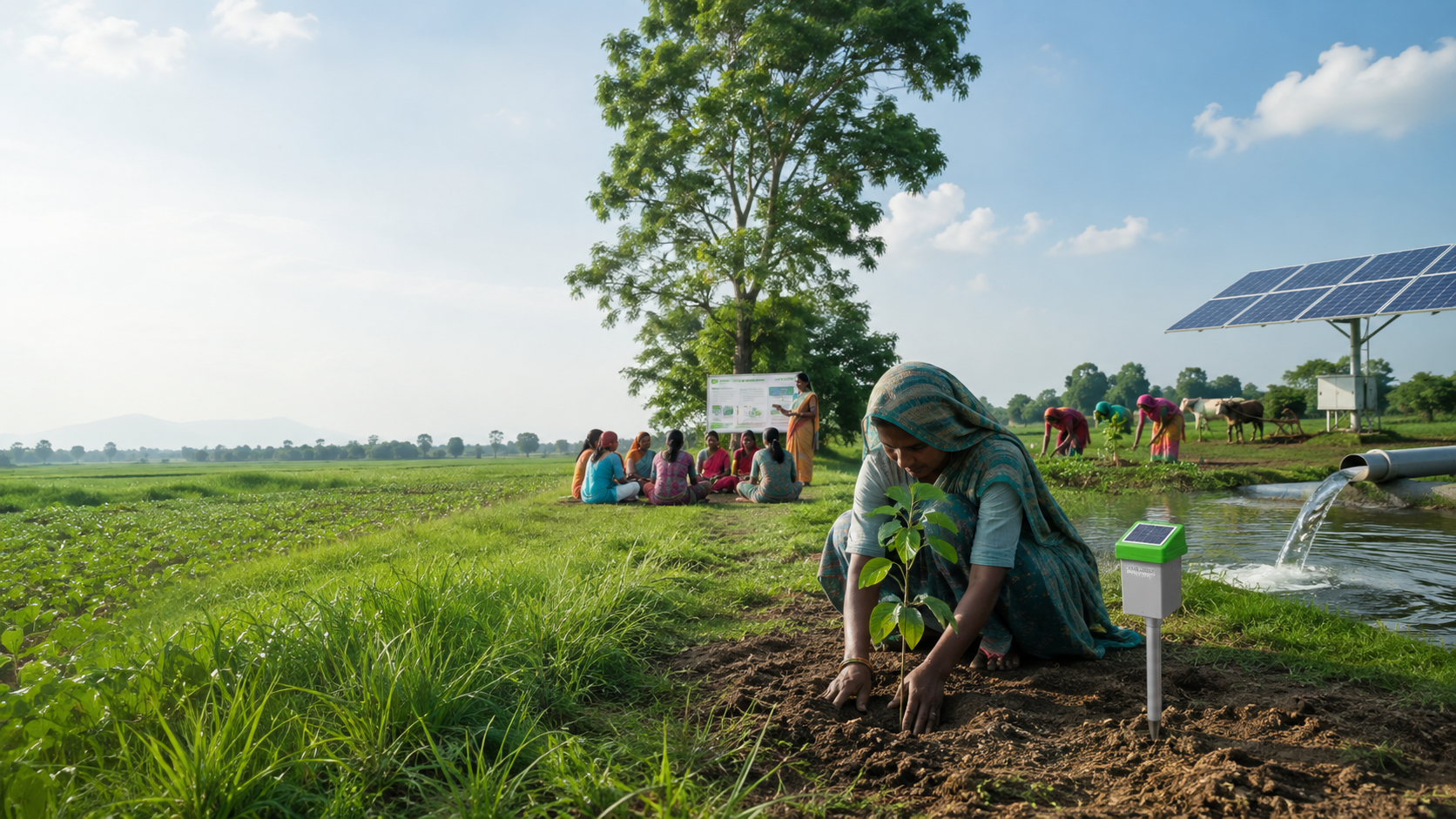
Knowledge. Agency. Opportunity.
Women are farmers, resource managers, producers and knowledge carriers. Women Grow is designed to bring their priorities into programme decisions from the beginning.
05 / Ideas to start a conversation
These illustrative project concepts can help you explain what you have in mind. They are starting points for co-design, not reports of completed work.
Bring farmers and local facilitators together around a shared soil or water question.
What we could document: A field baseline, activity records and a reviewed learning note.
Create space for women farmers or SHGs to set the agenda for local climate learning.
What we could document: Participation and leadership records, skills learning and group feedback.
Build a clear question, comparison and documentation plan around a field practice.
What we could document: A demonstration record, methods note and contextual findings.
Tell us the place, people, challenge and resources you have in mind.
06 / Projects & trainings so far
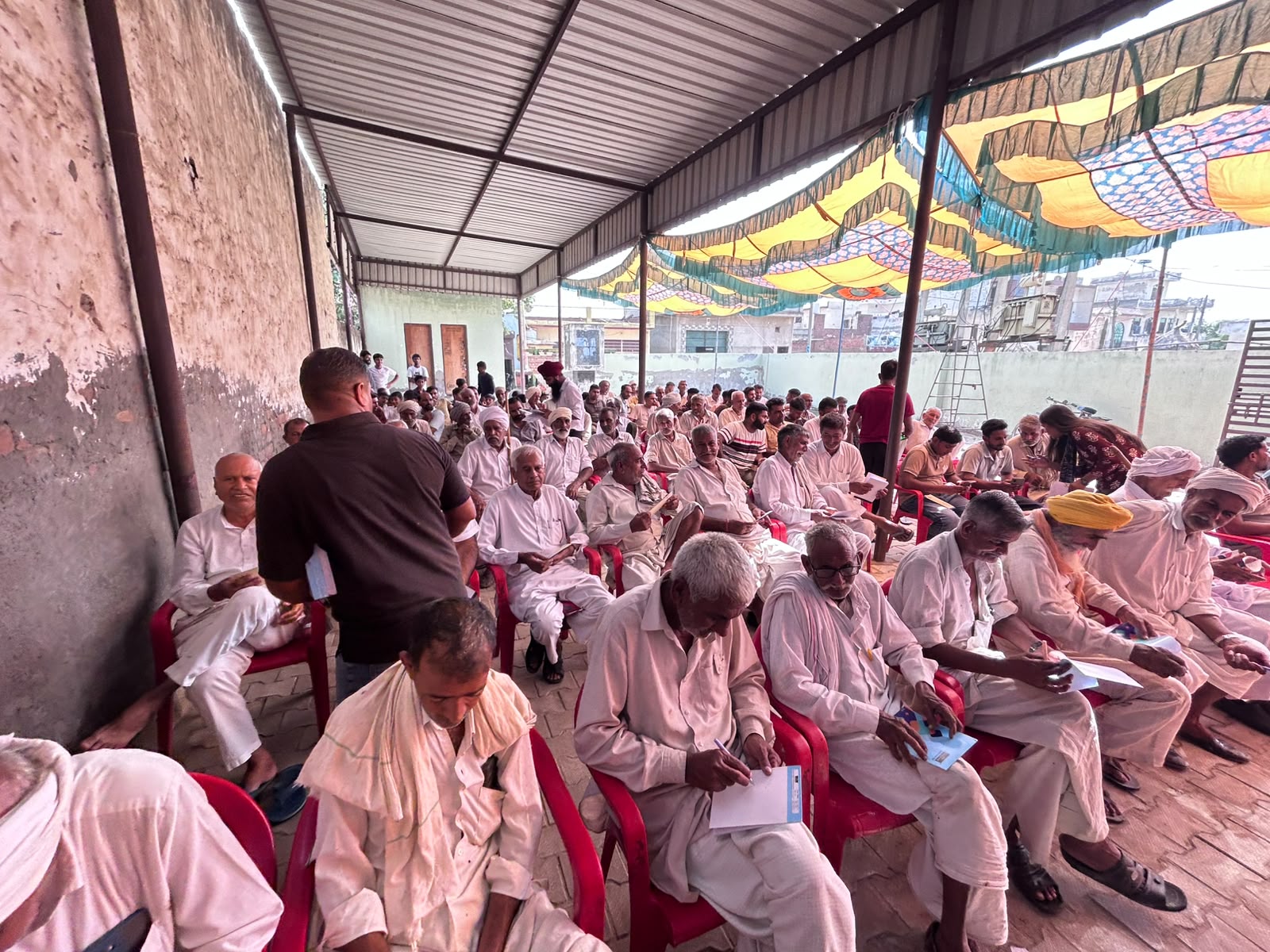
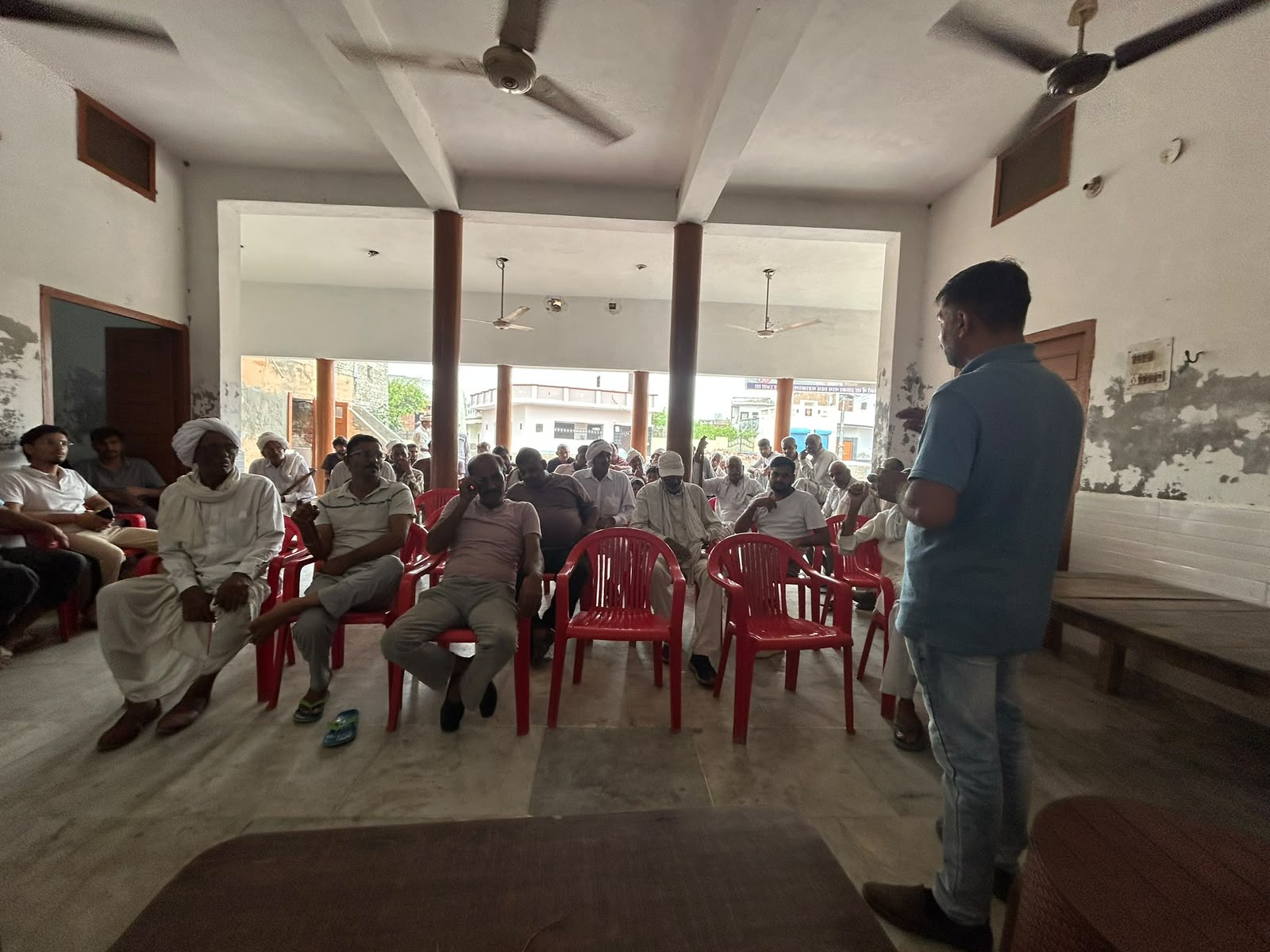
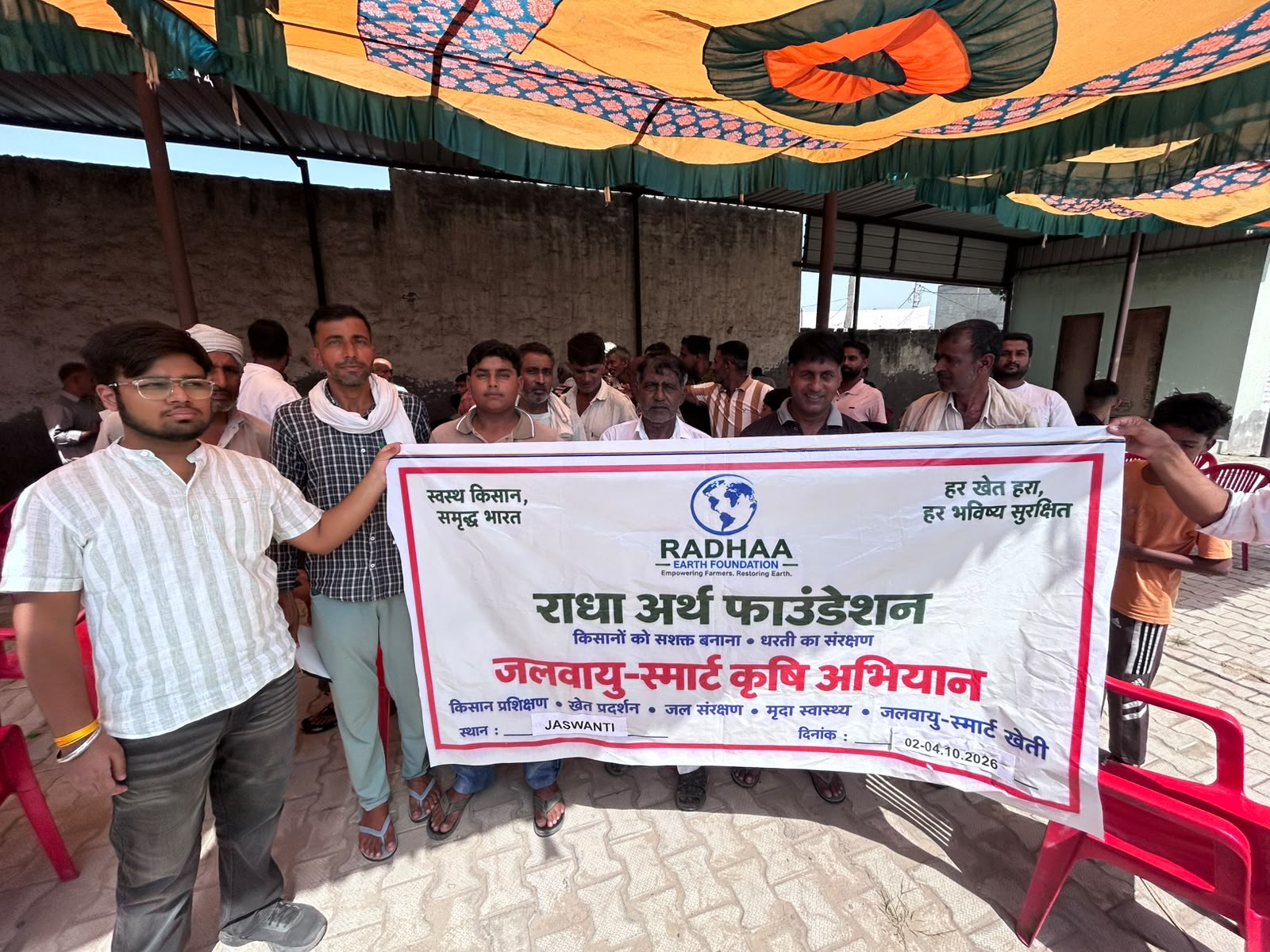
These records show RADHAA-supported climate-smart agriculture activities in Haryana. They document the activity and setting without turning attendance into an unsupported impact claim.
JASWANTI, HARYANA · 2–4 OCTOBER 2026
Farmer learning around field demonstration, water conservation, soil health and climate-smart farming, recorded during the campaign period shown on the event banner.
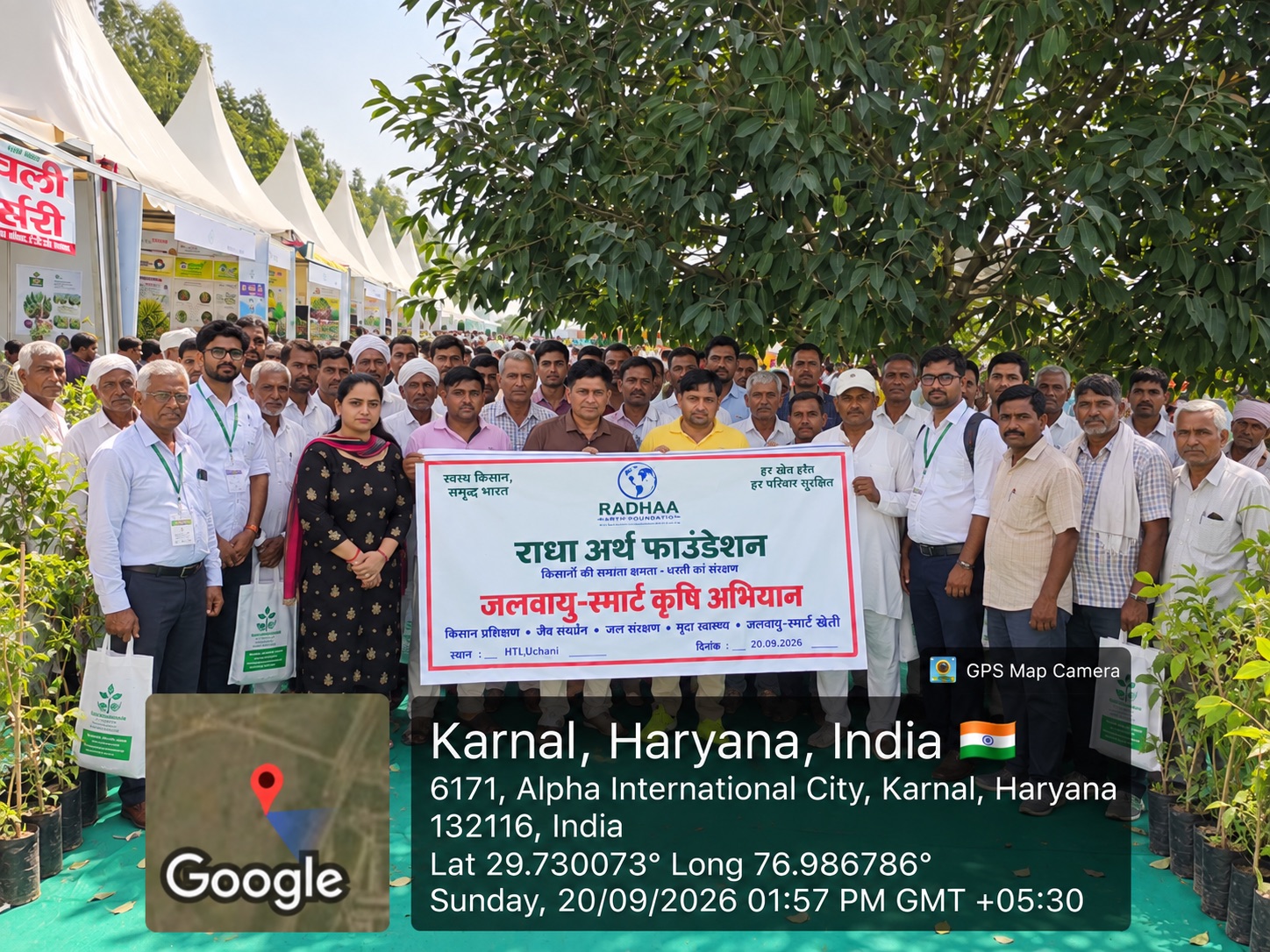
HTL UCHANI, KARNAL · 20 SEPTEMBER 2026
A campaign activity focused on farmer training, biological spray, water conservation, soil health and climate-smart farming.
A foundation taking root / 2026
RADHAA is building a community that can continue beyond one event, season or project. These founding ambitions guide the work ahead.
How the network worksTargets describe what we aim to build. They are not current enrolment totals. Community membership does not confer statutory company membership.
07 / Confidence through clarity
You should be able to understand what RADHAA intends to do, what has been recorded and what has been reviewed. Our public evidence will grow with the work.
Our Section 8 identity, CIN, public location and current registration disclosures.
Read our disclosures Evidence frameworkHow targets, reported activity and verified results are distinguished and explained.
Explore the evidence room Framework in preparationSafeguarding, consent, community data and the standards guiding programme design.
Read the policy frameworkField ideas / A little understanding goes a long way
A few starting points from RADHAA’s programme approach. Field reports and stories will be added as reviewed material becomes available.
Start with a decision. Record the place, period, current practice and method so a later comparison has meaning.
What do we need to know before an activity begins?
It gives people something to observe and discuss. A practice still needs to be considered in its own crop, season and resource context.
What would another farmer need to know to interpret this?
Through trusted people, shared questions and opportunities to compare experience. Climate Saathis are designed to support that exchange.
Who can help explain this in a locally useful way?
RADHAA Earth Foundation is a Section 8 nonprofit company established in Haryana in 2026. Its focus is farmer-led climate resilience through soil and water stewardship, women’s leadership, rural livelihoods, demonstrations and field evidence.
RADHAA is rooted in Kurukshetra, Haryana, India. Its founding network and programmes are being developed from this base. Additional geographies depend on local needs, partners and delivery capacity.
No. Start with a short message about the place, people and challenge, along with the time, knowledge or resources you can contribute. The team can discuss scope if there is a fit.
Yes. Community knowledge, facilitation, writing, design, research and coordination can all be useful. Share your skills and availability so RADHAA can consider them against current needs. An enquiry does not guarantee a role.
These are founding network targets, not achieved totals. RADHAA distinguishes planned targets, reported activity and verified results. Progress will be published with evidence as it becomes available.
Online donations and tax-benefit claims are not enabled. Contact RADHAA to discuss supporting a documented initiative and check the current registration disclosures before making any funding commitment.
The team reviews the enquiry for relevance and capacity. If there is a fit, the next discussion clarifies goals, location, roles and practical next steps. Contacting the foundation creates no automatic commitment to participate or fund a programme.
From soil to scale. From you to us.
Start with a question, a skill or a field challenge.
Let’s explore what we can build together.