What happened
Activity, visible themes, place, supplied date information and the photographs associated with the field record.
PROJECTS & TRAININGS
Field activity should be visible, understandable and honest. These records show where RADHAA has convened climate-smart agriculture learning—and clearly separate documentation from verified impact.
ACTIVITY 01
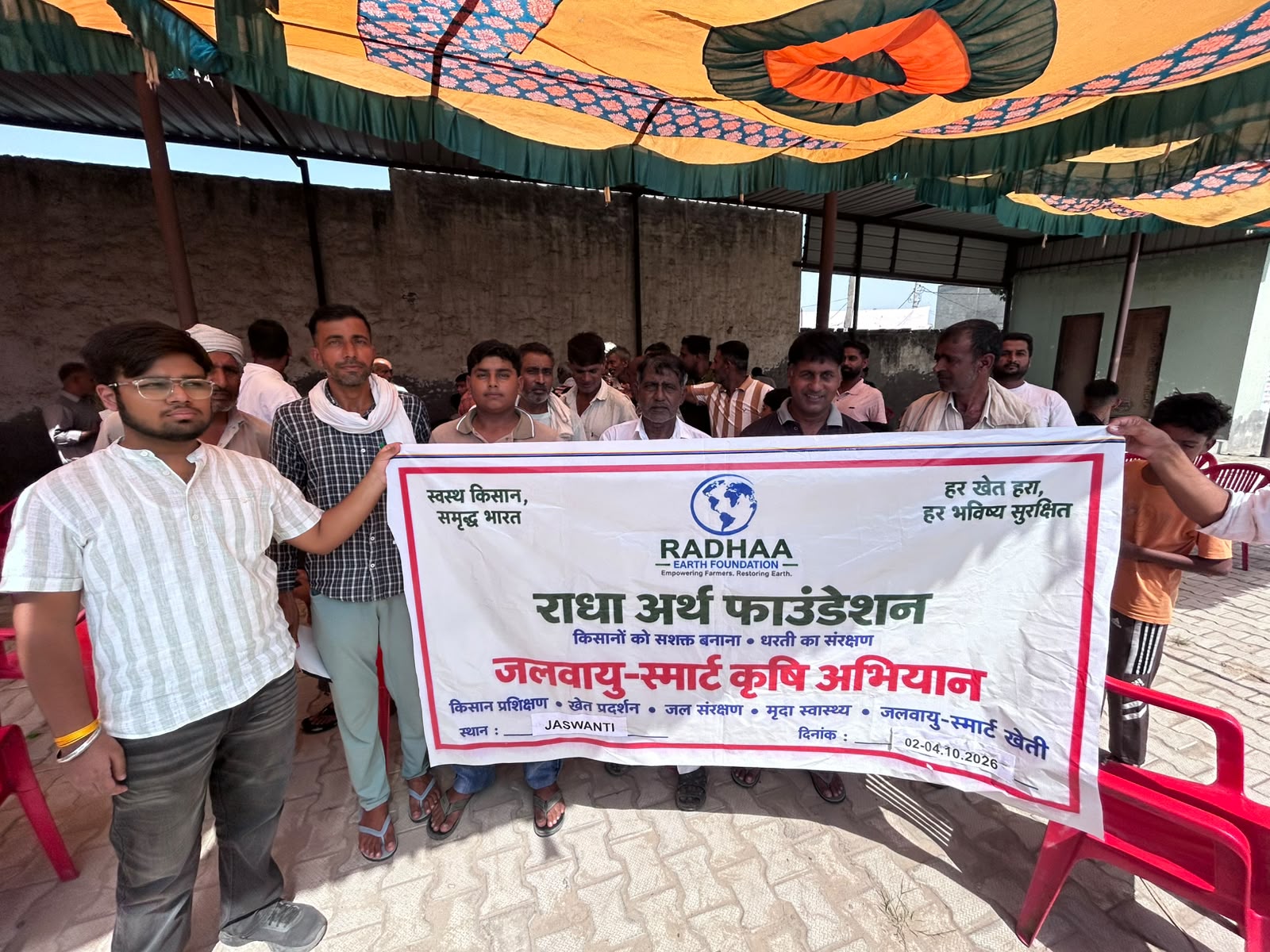
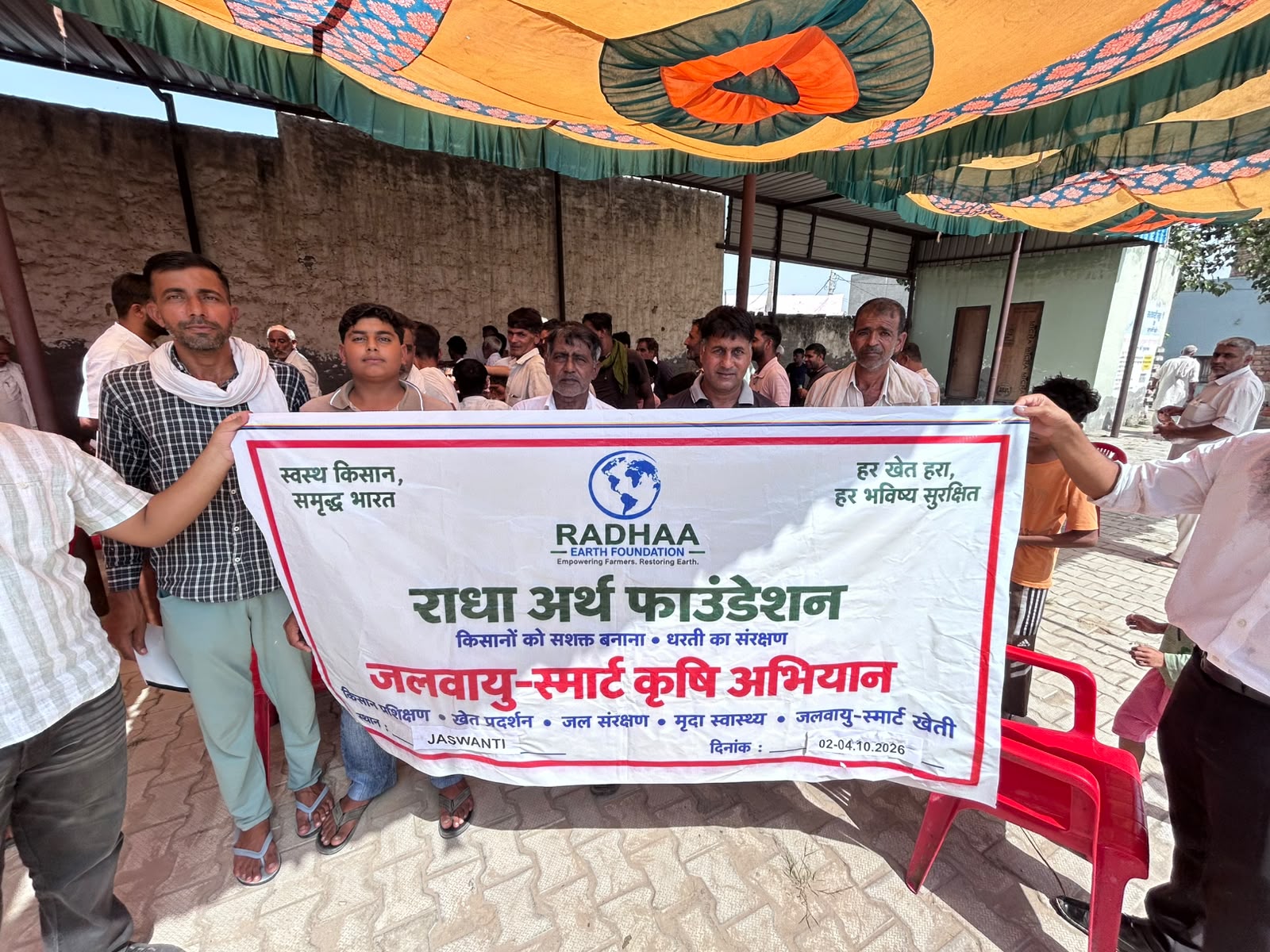
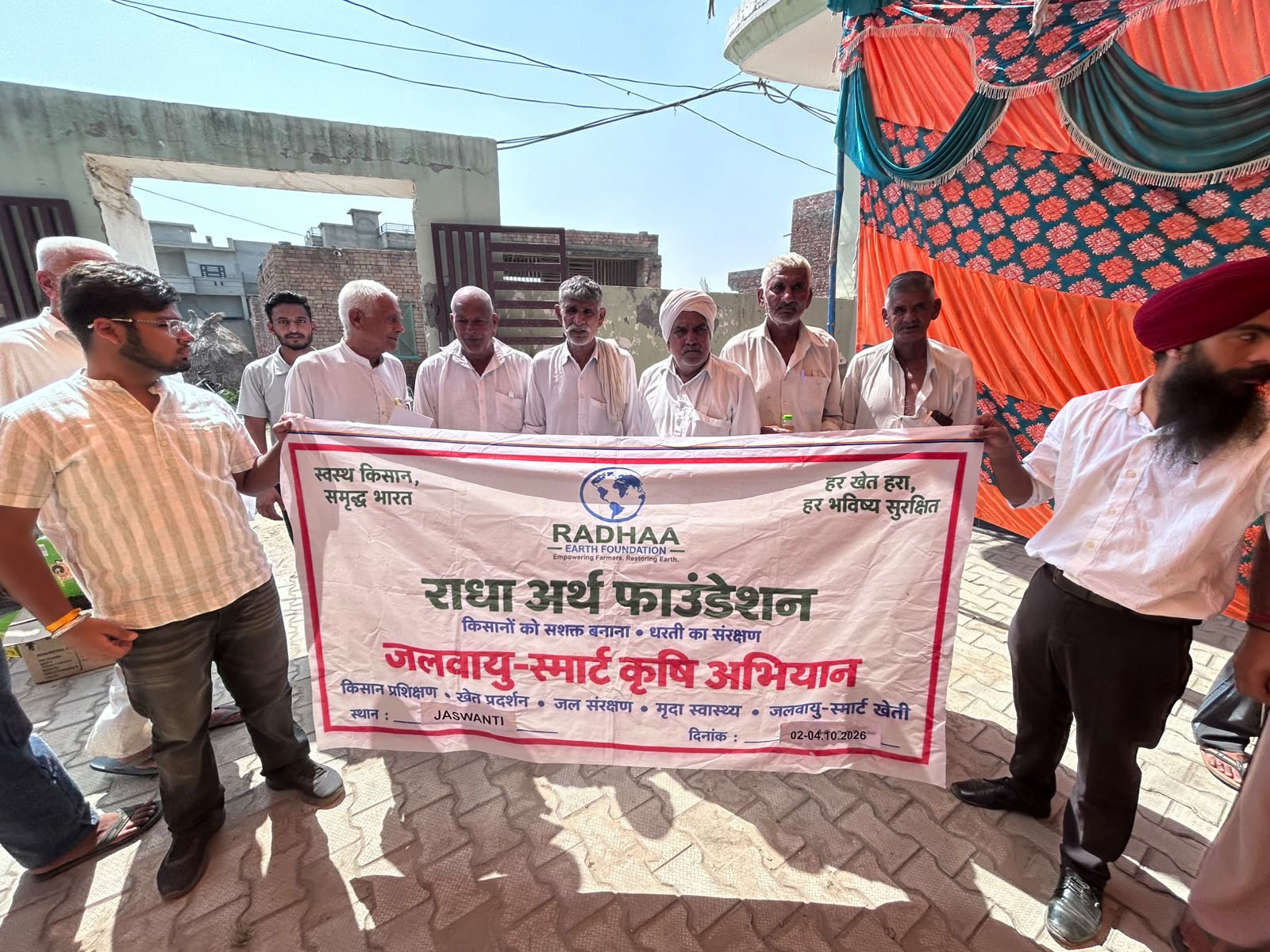
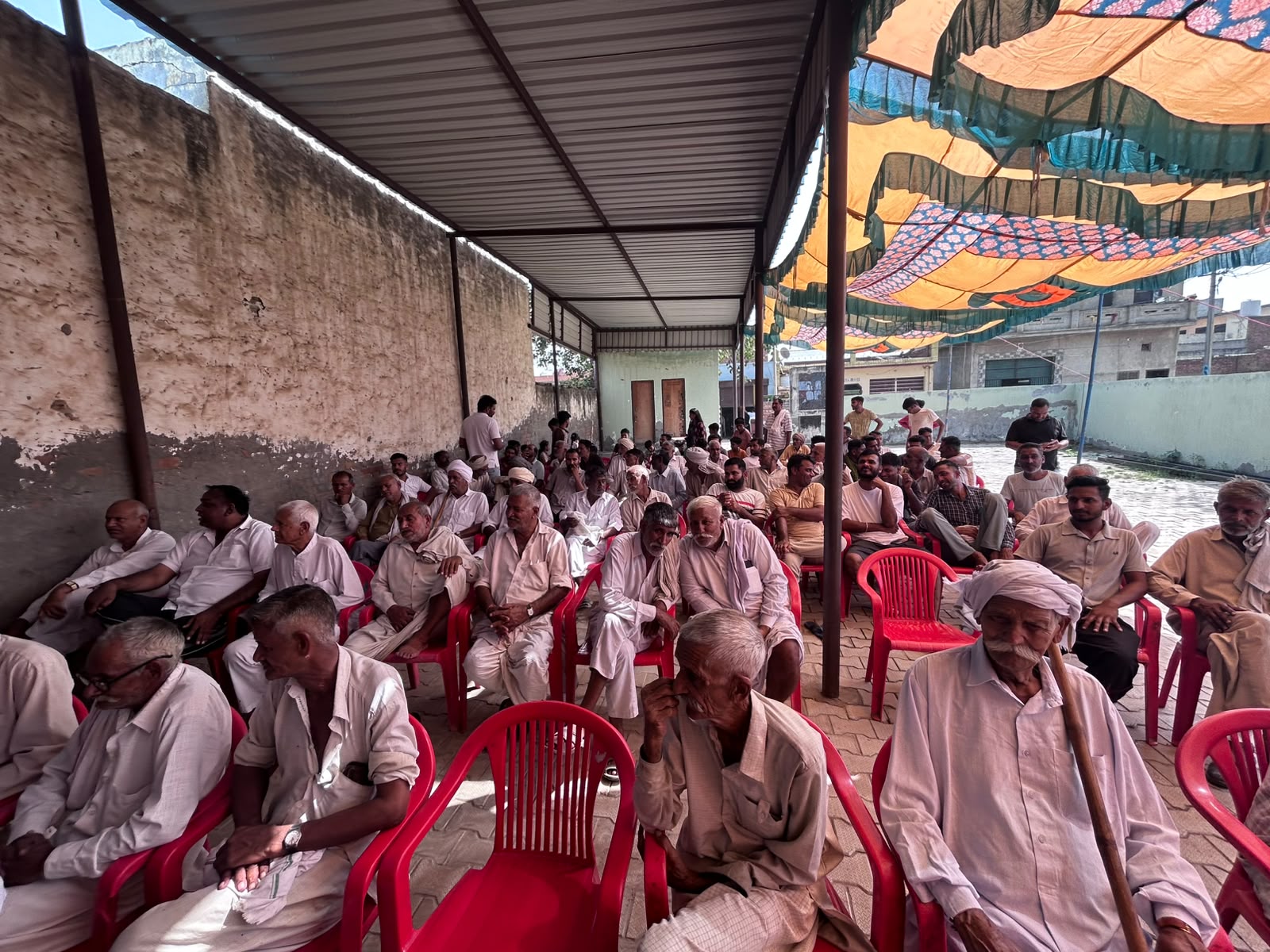
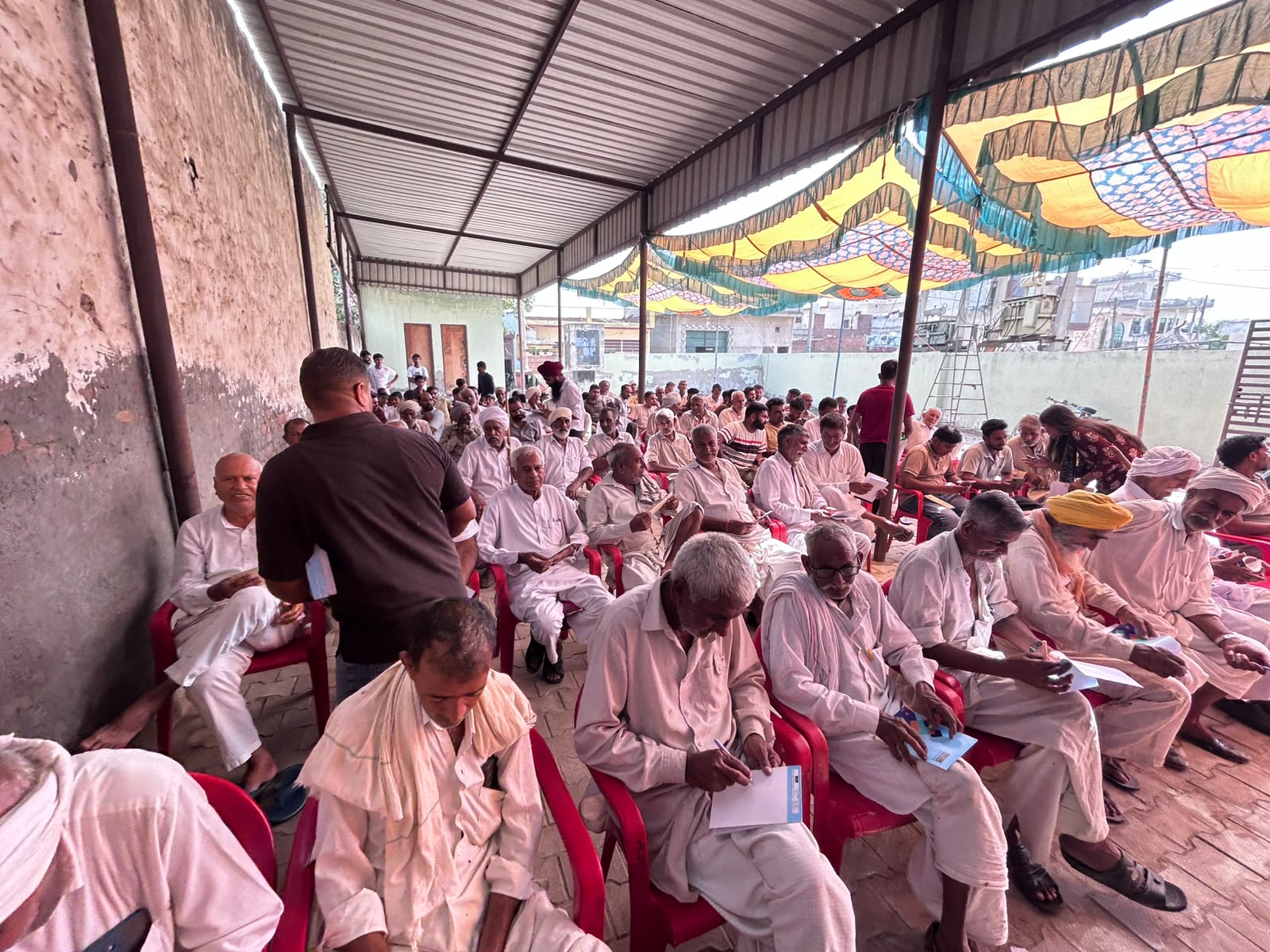
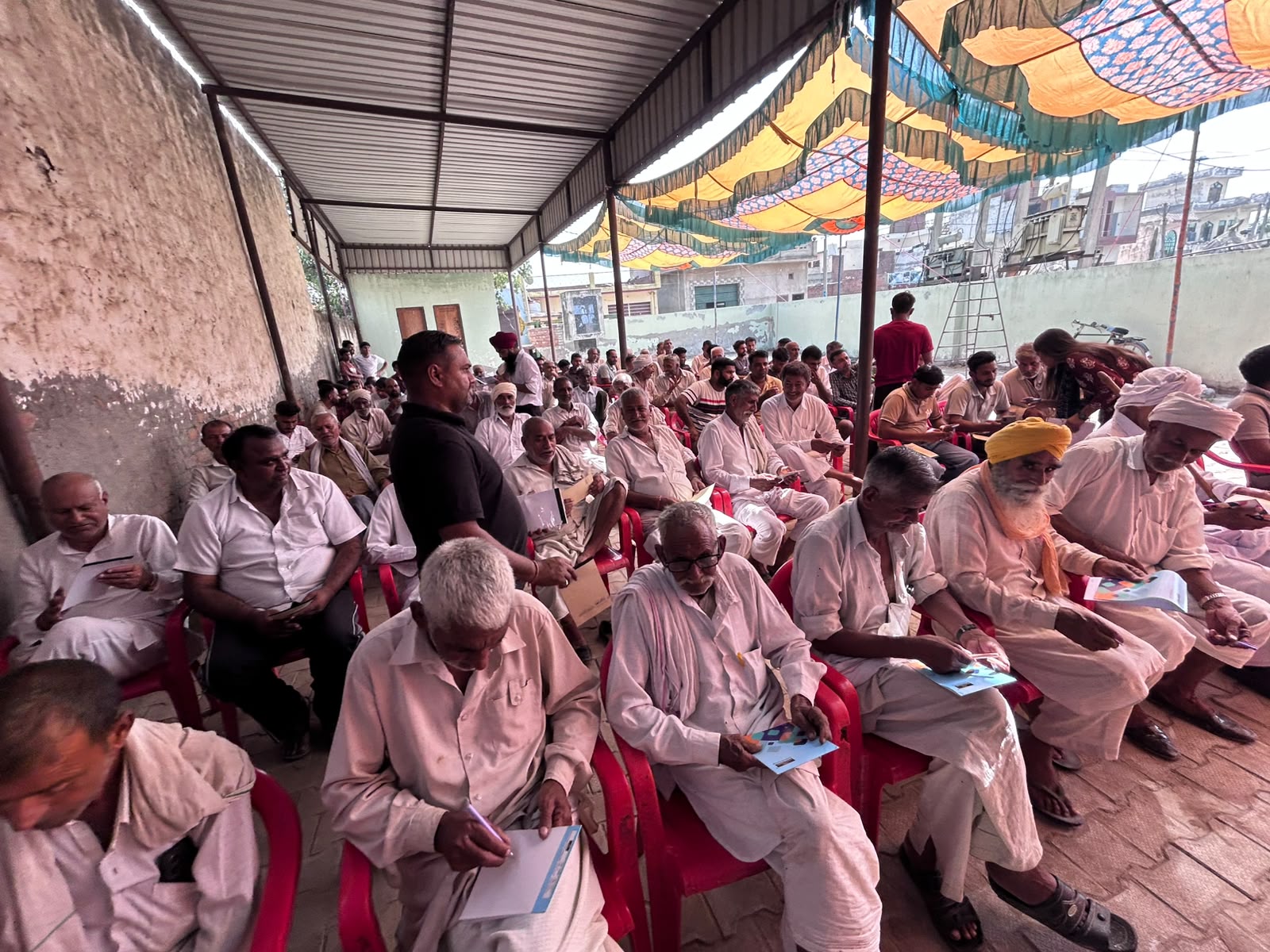
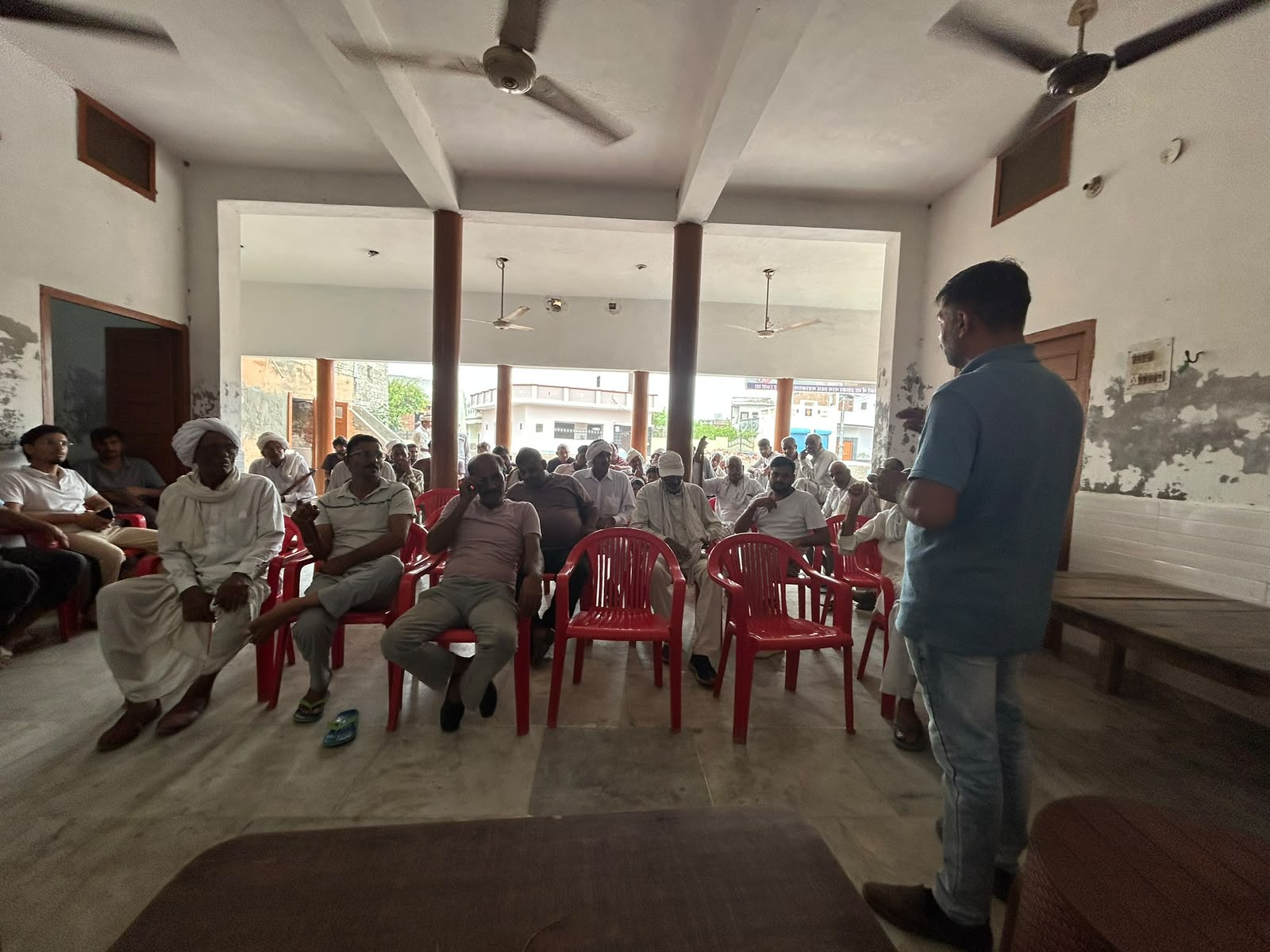
The supplied field record shows farmers and facilitators gathering for campaign learning in Jaswanti. The event banner identifies farmer training, field demonstration, water conservation, soil health and climate-smart farming as the activity themes.
The dates above are those printed on the campaign banner. This page records the activity; it does not claim a verified participant total, practice adoption or livelihood outcome.
FIELD GALLERY
Seven supplied photographs form the visual record for this activity. No participant is named.
ACTIVITY 02
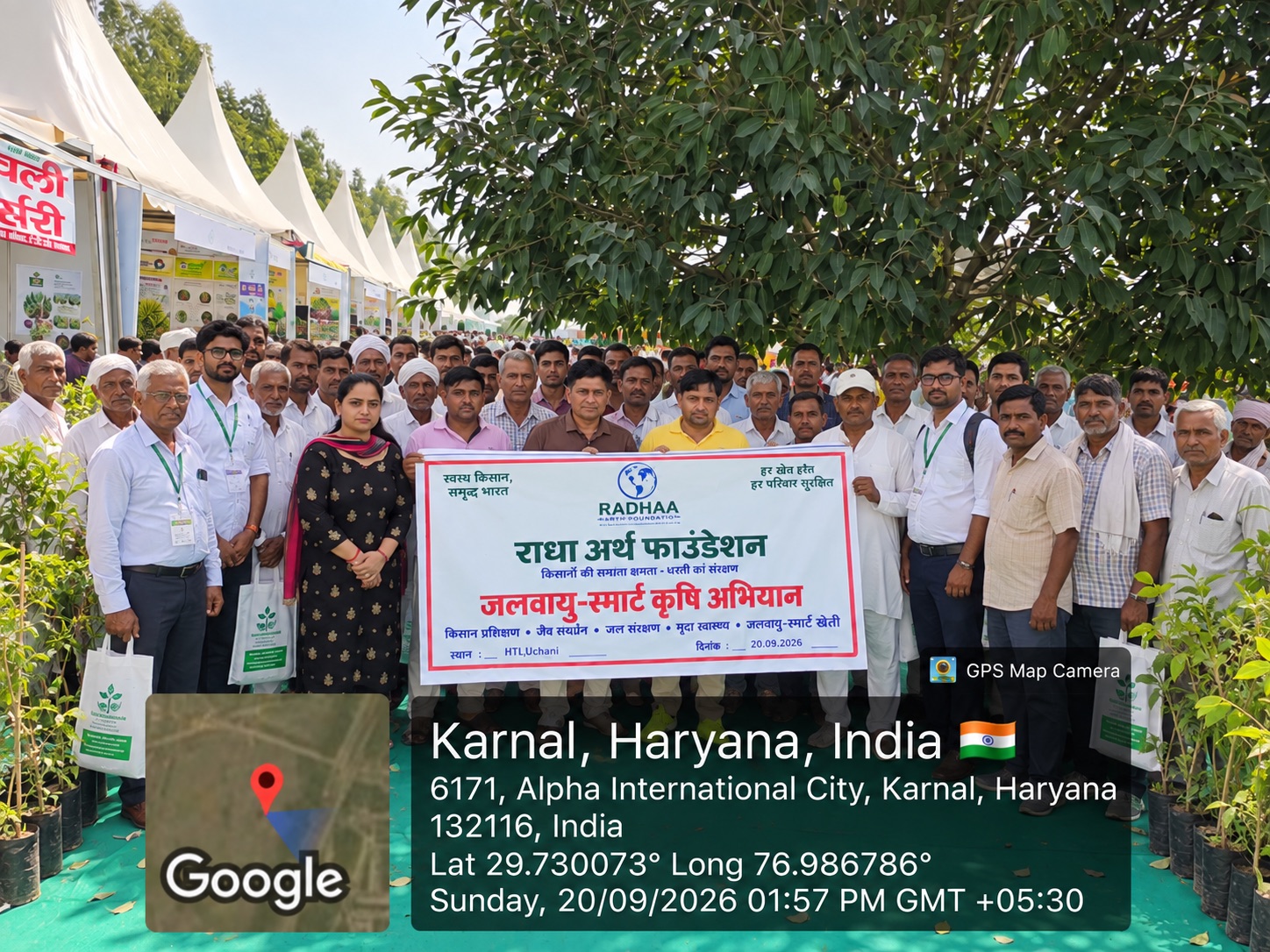
The supplied campaign image records a group activity at HTL Uchani. The banner identifies farmer training, biological spray, water conservation, soil health and climate-smart farming as the learning themes.
The image includes a location and date overlay supplied with the activity record. Exact coordinates are not repeated here, and no attendance or outcome total is inferred from the photograph.
HOW TO READ THIS RECORD
Activity, visible themes, place, supplied date information and the photographs associated with the field record.
Participant totals, practice adoption, soil or water outcomes, income change and longer-term community effects require defined evidence.
Future records can connect attendance, questions, demonstrations, follow-up and verified outcomes while protecting participant privacy.
BRING A FIELD CHALLENGE
Tell us the place, people, challenge and learning you want to make possible.
Start a project